Railroad Crossing Safety Starts With Awareness and Better Information
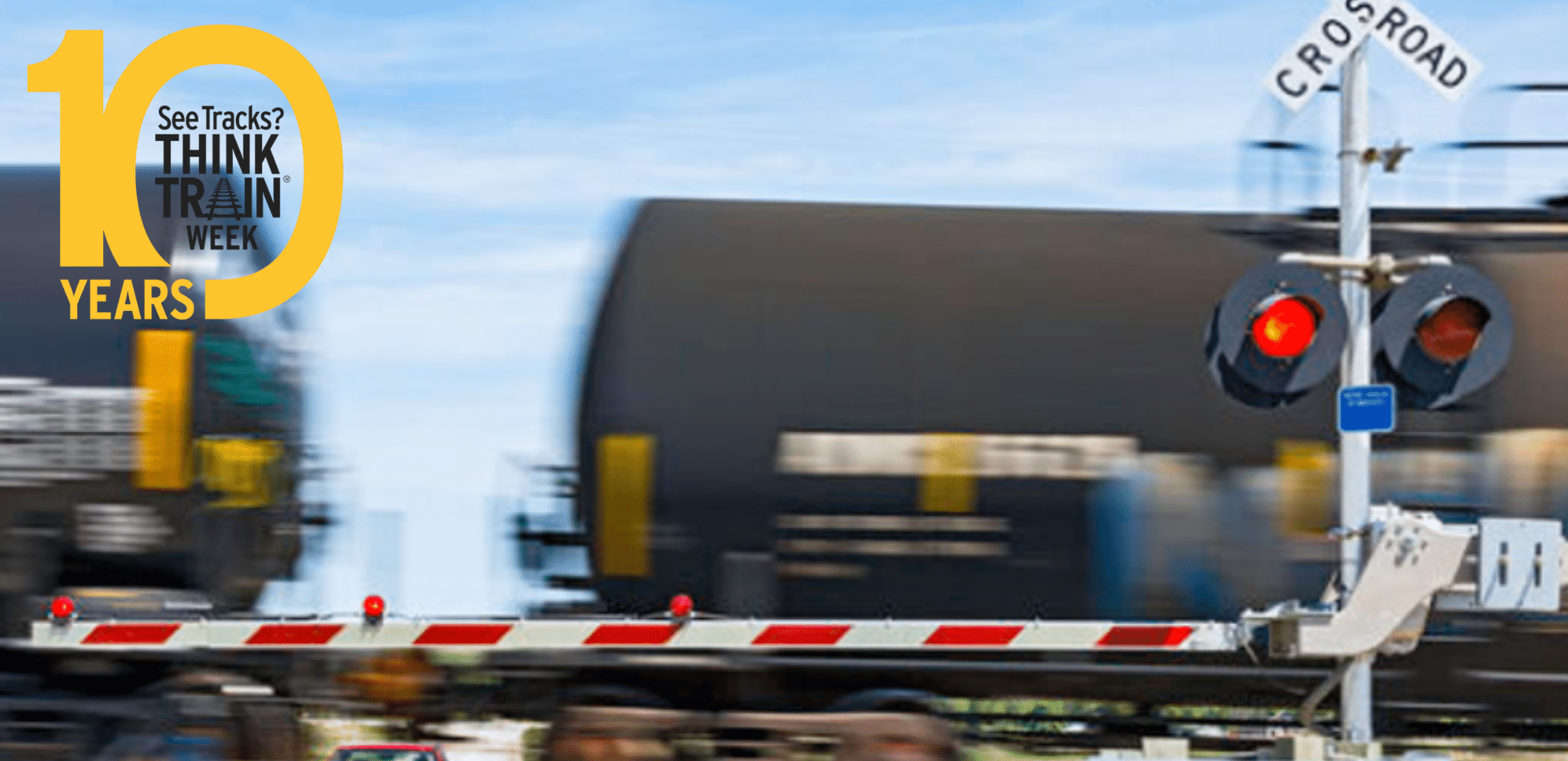
Every three hours in the United States, a person or vehicle is hit by a train. It’s a sobering statistic and an important reminder that railroad crossing safety deserves our attention. During See Tracks? Think Train Week, September 21–27, the Virginia State Corporation Commission (SCC) is joining Operation Lifesaver and rail safety partners nationwide to remind drivers, pedestrians, and communities about the importance of making safe decisions around railroad tracks.
At Oculus Rail, we believe that awareness and access to better information are important parts of helping communities navigate railroad crossings.
Why Railroad Crossing Safety Matters
Most of us encounter railroad crossings as part of our everyday routines. Whether we’re commuting to work, taking children to school, or responding to an emergency, crossings are places where roadways and railways intersect.
And while crossing collisions have declined significantly over the past 50 years, there is still work to be done.
According to Operation Lifesaver, railroad crossing collisions have decreased significantly over the past several decades, but thousands of incidents involving railroad crossings and trespassing continue to occur annually.
See Tracks? Think Train Week encourages everyone to understand the risks and develop safer habits around railroad tracks.
Five Railroad Crossing Safety Reminders
A few simple precautions can make a difference when approaching or traveling near railroad crossings.
- Always expect a train. Trains can approach from either direction, at any time. Never assume the tracks are clear simply because you don’t see or hear a train.
- Never try to beat a train. Trains travel faster than they may appear and can take a mile or more to stop. Never attempt to cross when warning lights are flashing or crossing gates are closing.
- Stay off railroad tracks. Railroad tracks are not walking paths, shortcuts, or places to take photographs. Only cross tracks at designated crossings.
- Never stop on the tracks. Before entering a railroad crossing, make sure there is enough room for your entire vehicle on the other side.
- Know what to do in an emergency. If your vehicle becomes stuck on railroad tracks, immediately exit the vehicle, move to a safe location, and contact the railroad using the Emergency Notification System sign posted at the crossing or call 911.
These precautions are important for everyone, regardless of how frequently they encounter railroad crossings.
Better Information for Communities
Public education is an essential part of railroad crossing safety. But there’s another challenge that many communities face: understanding when their railroad crossings are blocked and how frequently those blockages occur.
A blocked railroad crossing can disrupt daily commutes, create traffic congestion, and complicate emergency response.
For municipalities and transportation agencies, understanding crossing activity is an important part of identifying recurring problems and making informed transportation decisions.
The Federal Railroad Administration provides resources for understanding railroad safety issues and allows the public to report blocked crossings through its Blocked Crossing Incident Reporter.
That’s where technology can help.
Oculus Rail uses AI-enabled, solar-powered roadside sensors to monitor trains and identify when roadway crossings become blocked and when they clear. The system provides real-time crossing information and historical data without requiring integration with railroad signaling infrastructure.
Our free mobile app gives motorists access to crossing status information so they can make more informed travel decisions.
For municipalities, transportation planners, and public safety agencies, crossing data can provide a clearer picture of how railroad activity affects their communities.
Of course, technology is not a substitute for following railroad crossing signs, signals, and safety procedures. Drivers should always obey crossing warning devices, regardless of the information displayed in an app.
Railroad Crossing Awareness Shouldn’t End After One Week
See Tracks? Think Train Week is an important reminder that railroad safety is a shared responsibility.
We encourage everyone to take a few minutes to review railroad crossing safety recommendations and share them with family, friends, and colleagues.
At Oculus Rail, we’ll continue doing our part by providing better information about blocked railroad crossings and helping communities understand how rail activity affects their roadways.
Because when it comes to railroad crossings, awareness matters, and better information helps communities make better-informed decisions.
